
Technology built around certification.
A city electric vehicle only becomes a product when it can be registered. LOJO is engineered from the type-approval requirements backwards — powertrain, structure, materials and documentation developed as one system.
Up to 30% less energy, same journey.
The powertrain system was developed under China–Germany technical cooperation with CE certificate approval. It saves up to 30% of electricity consumption against a conventional small-EV drivetrain, and it is built around a range-extend, removable battery architecture.
-
Consumption down to −30%
Fewer kWh per kilometre means either more range from the same pack, or a lighter and cheaper pack for the same range.
-
Removable battery system
Packs can be exchanged rather than charged in place — useful where grid access at the depot is limited.
-
CE certificate approval
Components carry the conformity marking required for European market entry.
One architecture, five body styles.
Because the certified platform is shared, adding a body style does not mean starting type approval again. Two seats or four, city car or city van — the homologated core stays the same.
-
Shared certified core
Body, battery and drivetrain are designed as one package, so variant changes stay inside the approval envelope.
-
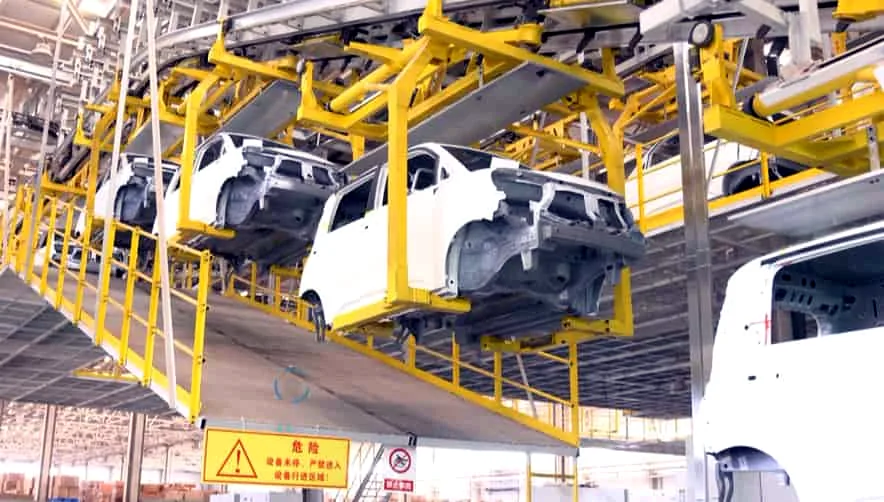
LHD and RHD from one line
Steering position is a build option, not a separate programme.
-
Climate-adaptable
Air conditioning and thermal management are standard fit, not dealer-installed extras.
Crash tested, with the electronics to match.
Every LOJO vehicle passes crash testing and ships with ABS, EBD and TPMS as standard equipment.
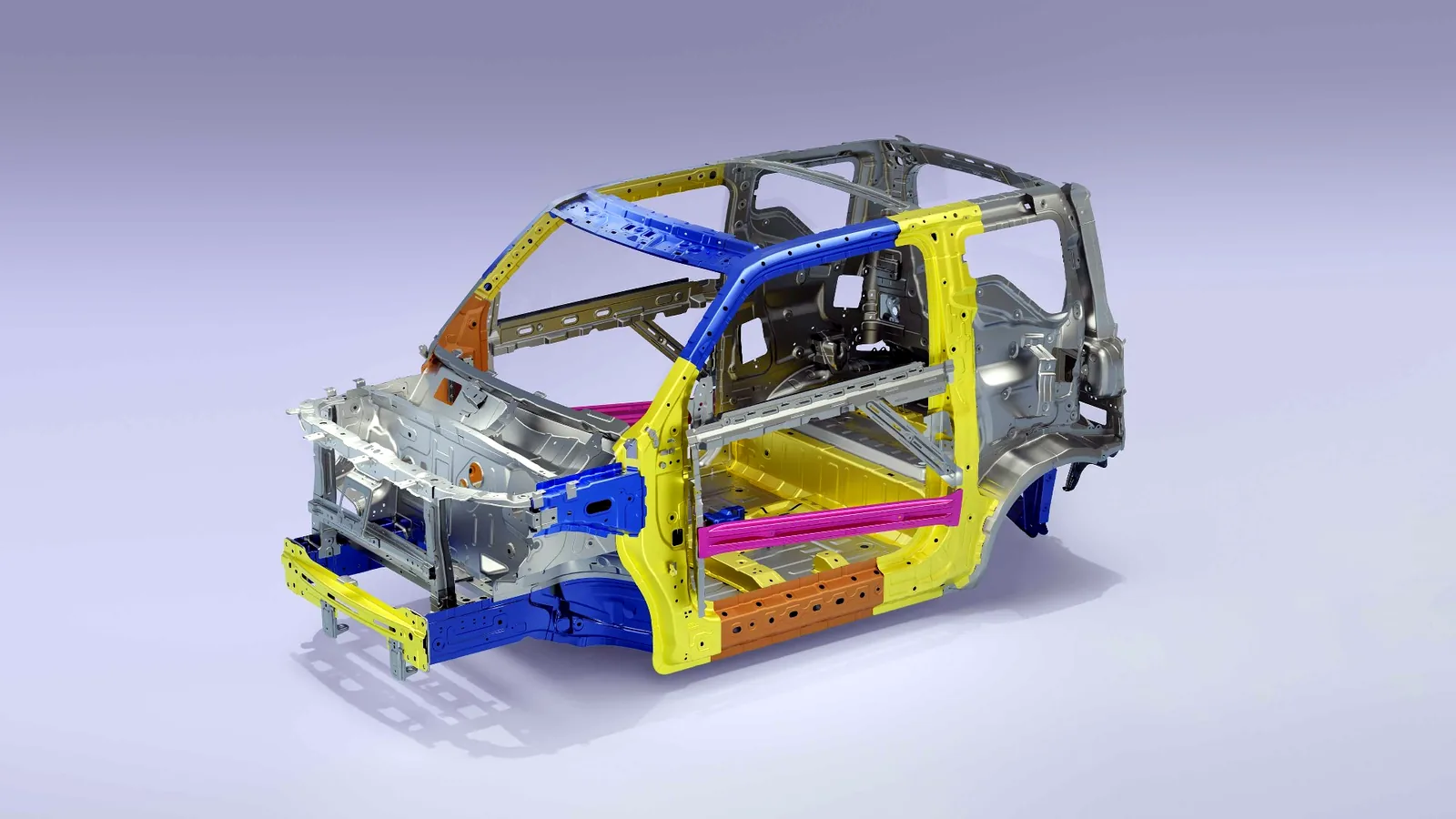
Body structure
Reinforced safety cell engineered to pass crash test requirements for the category.
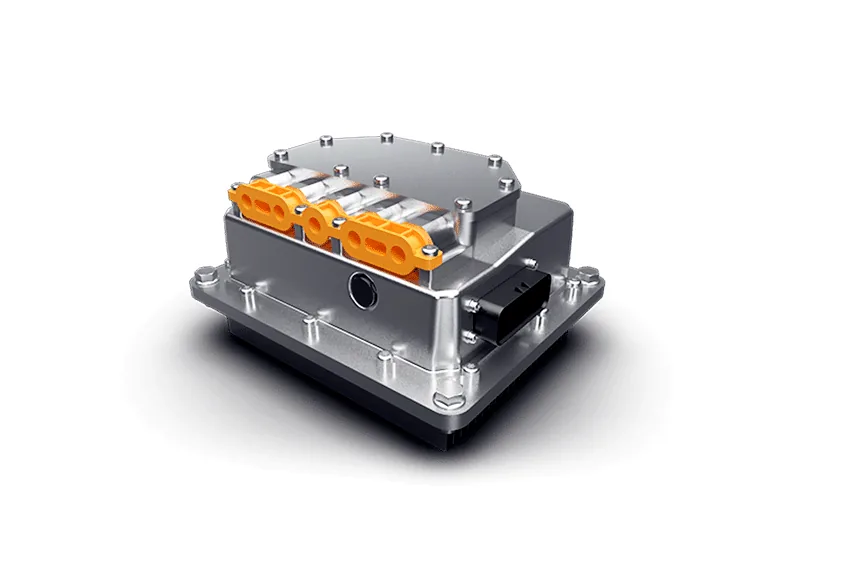
Three-electric protection
Efficient three-electric system with IP68-level protection — no fear of water immersion — and an intelligent battery management system monitoring battery status in real time.
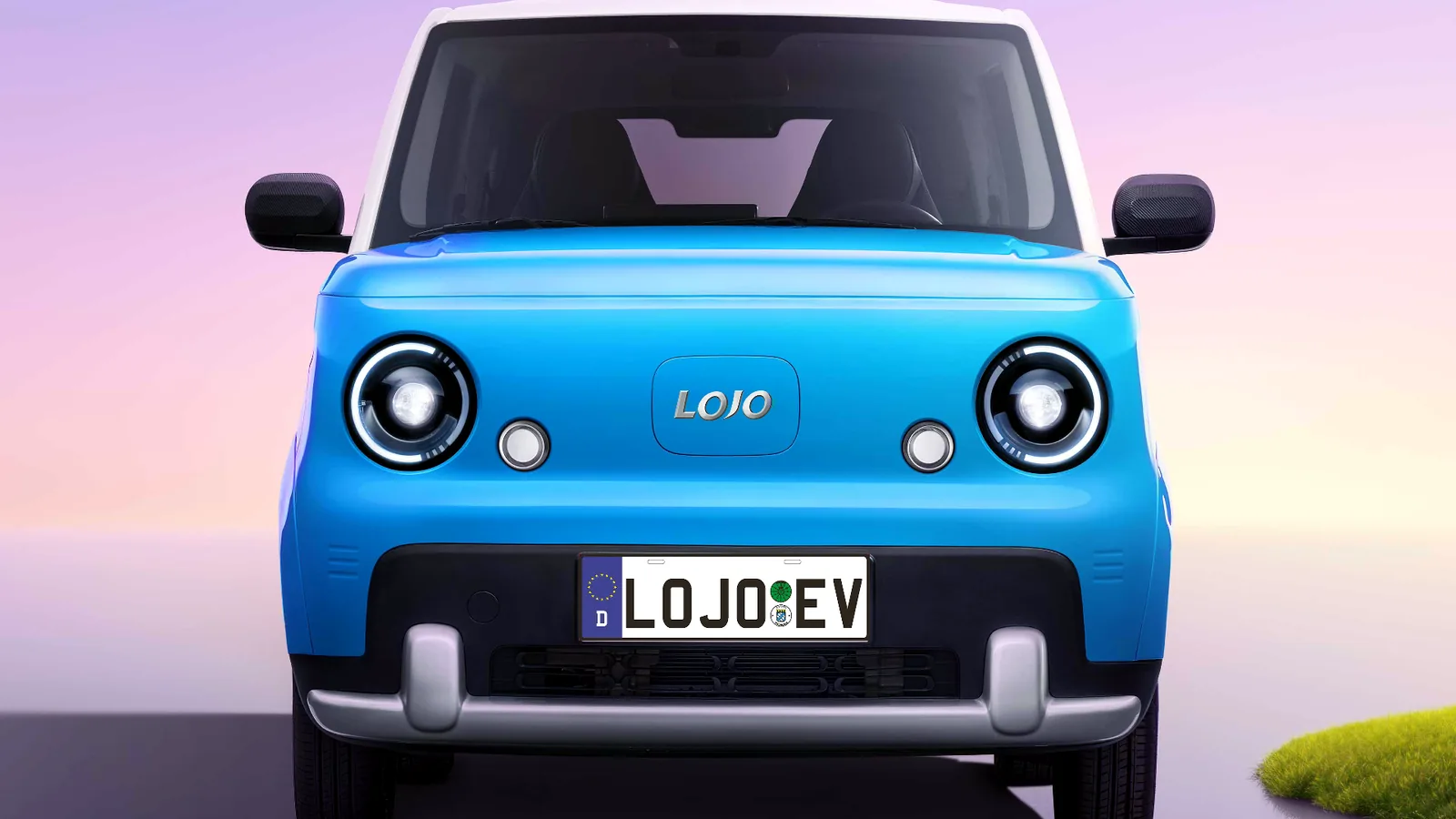
EEC / CE approval
Developer of China’s first electric vehicle to pass full EU EEC M1 testing, including crash tests. Components carry the conformity marking required for European market entry.
A cabin designed for daily use, not for a show stand.
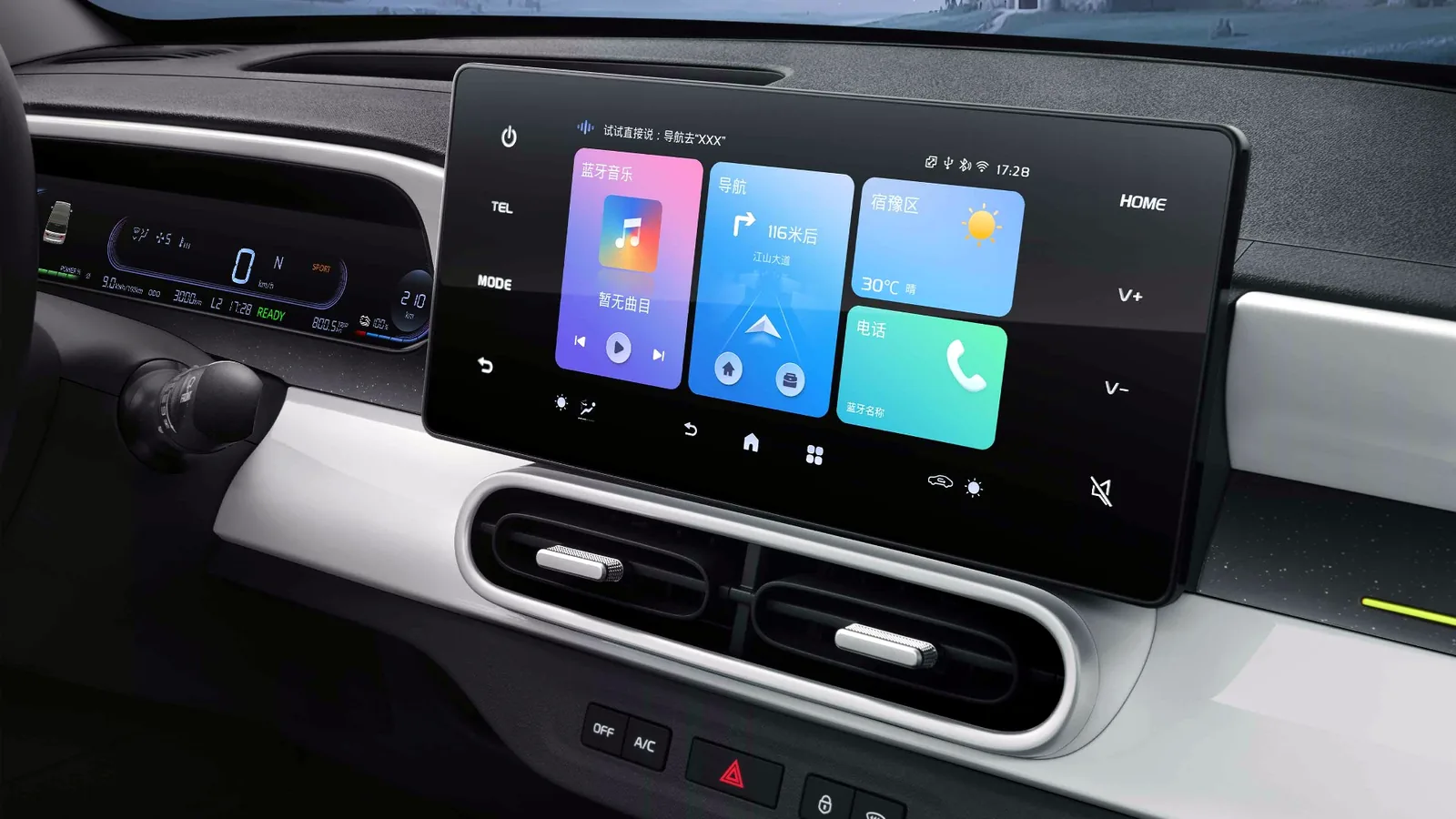
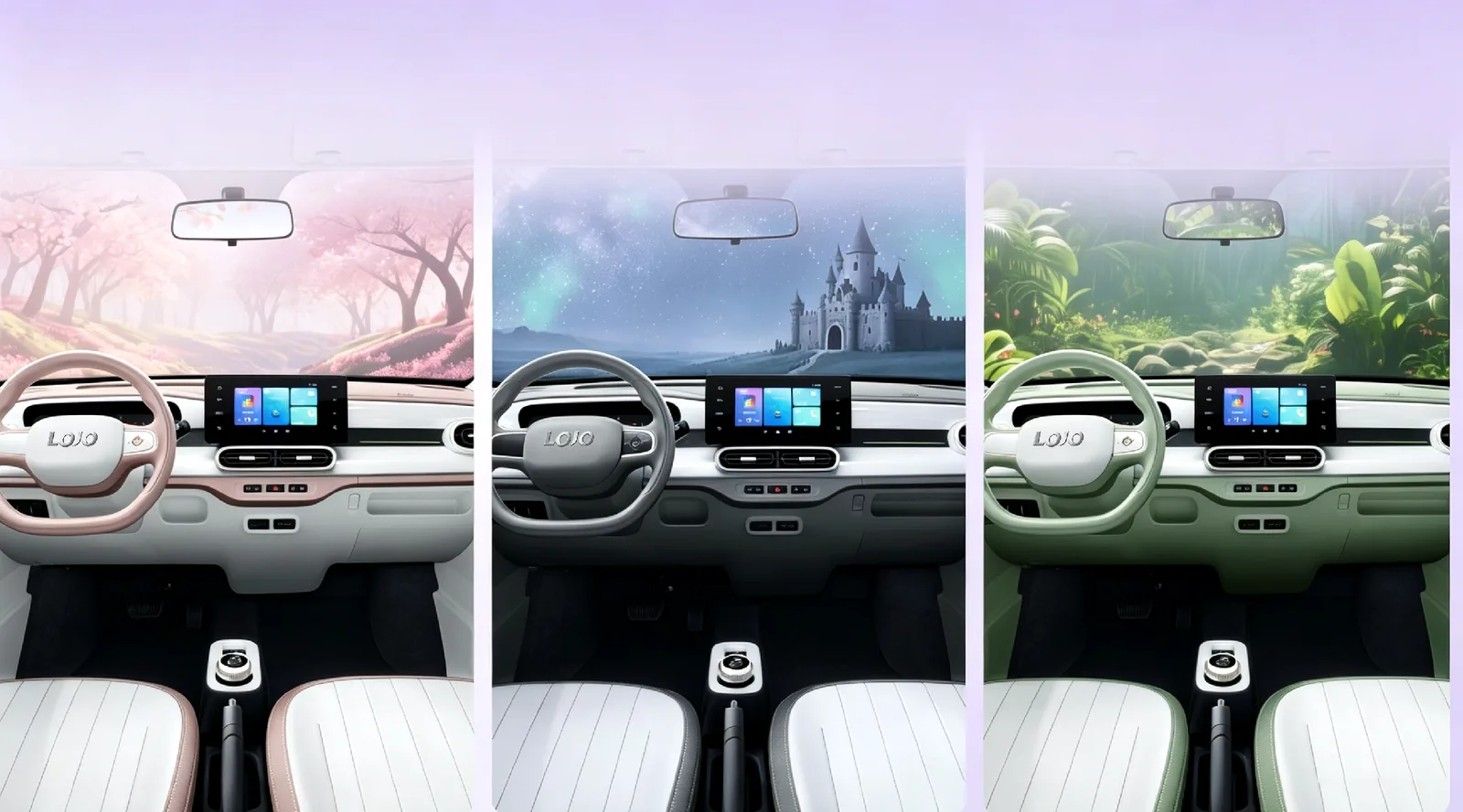
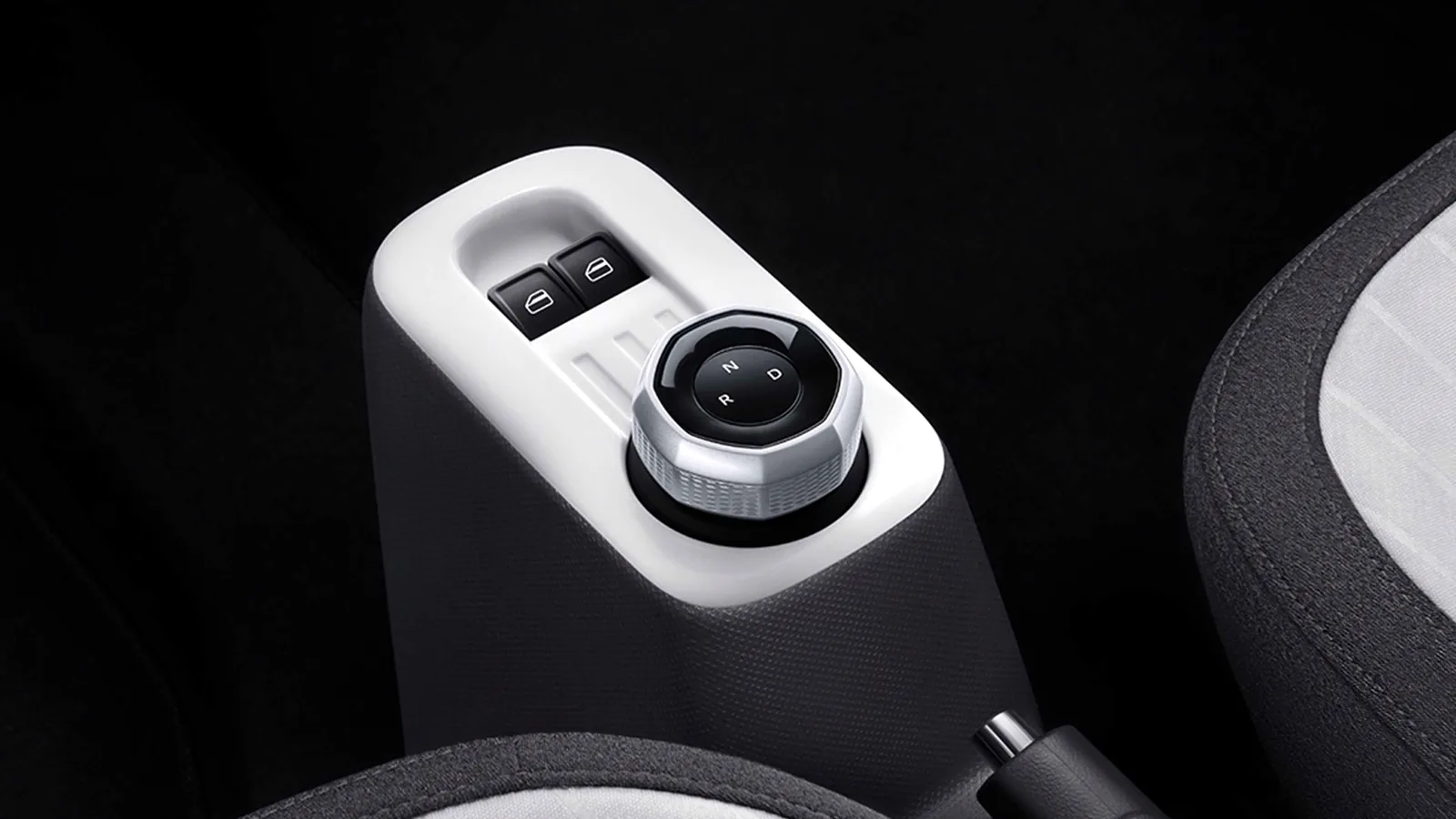
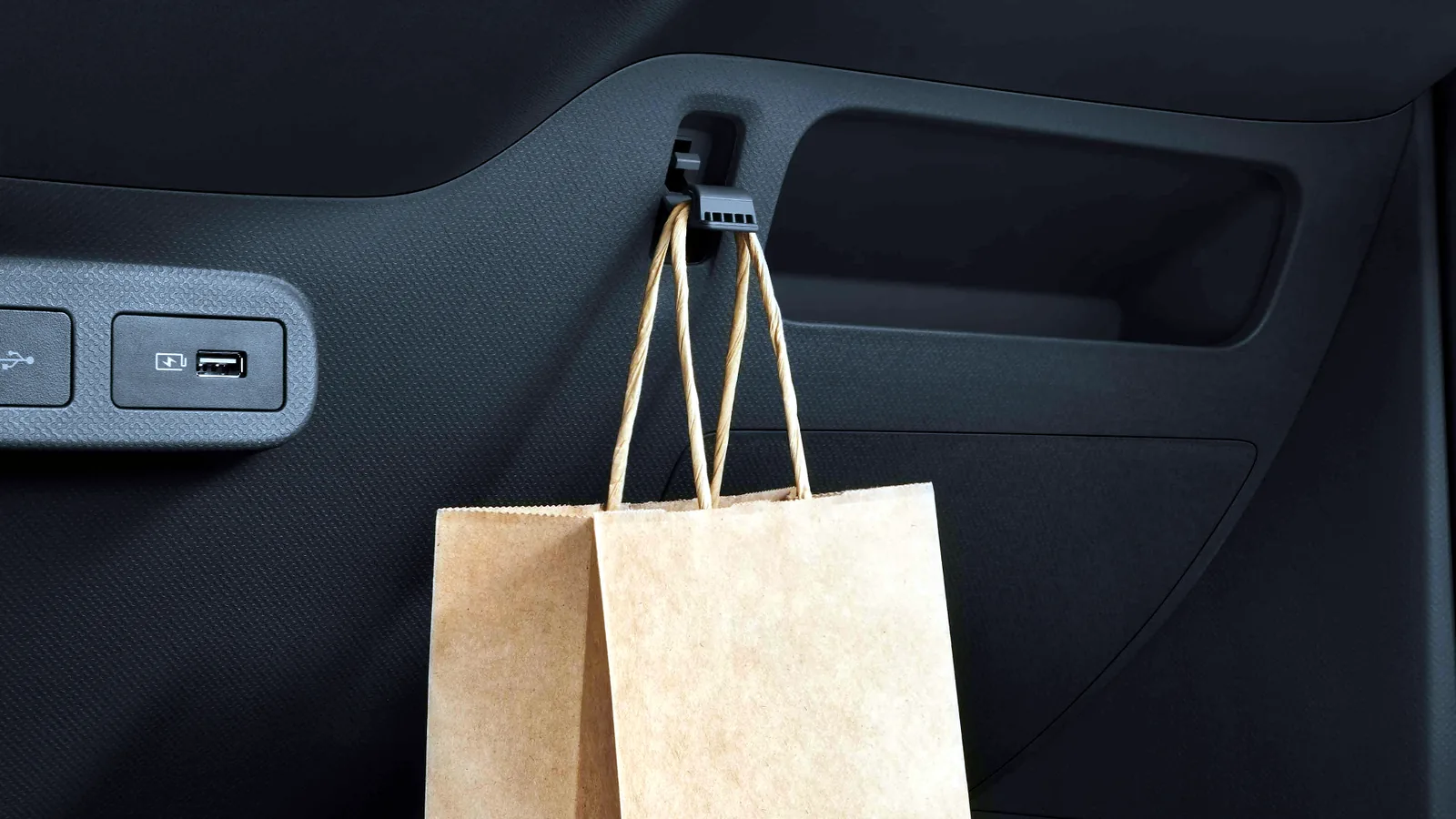
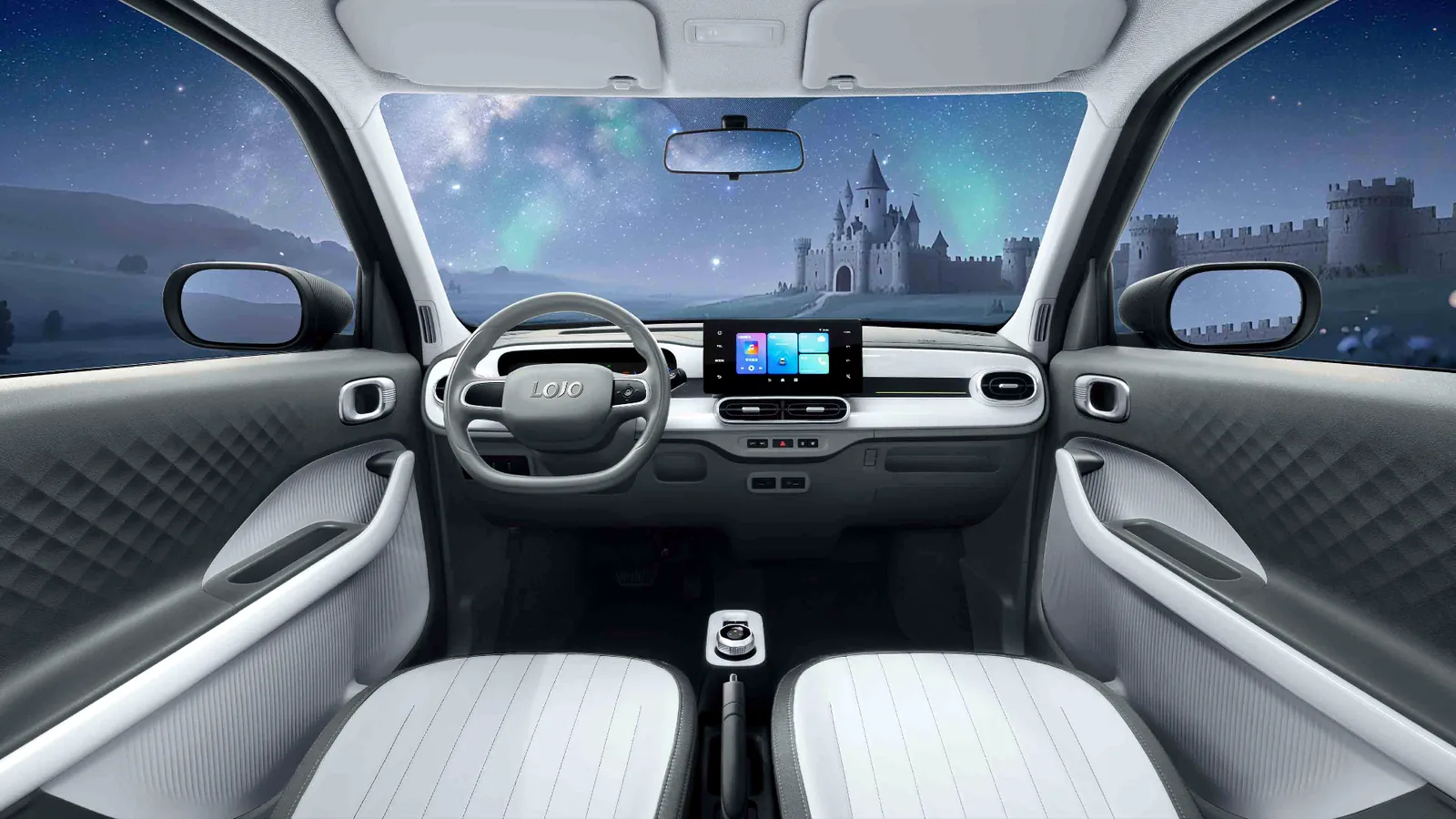
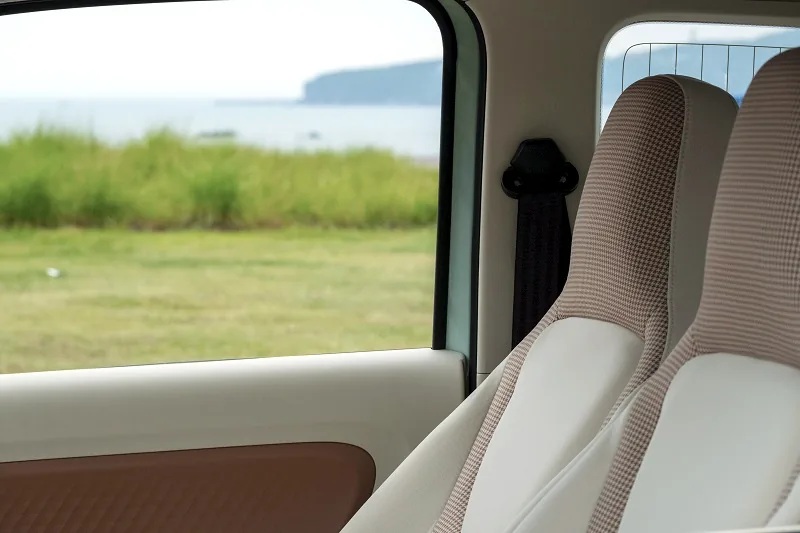
A central touchscreen, a driver display, air conditioning and a place to put a phone and a bag. Small-vehicle interiors fail on ergonomics far more often than they fail on technology.

A China–US–EU team, nearly twenty awards deep.
Nearly twenty members of the EU–China–US engineering team have won provincial, national or international awards, giving the company a deep research and development foundation in electric vehicles.
-
Global Energy Prize, 2022
On 12 July 2022 our chief scientist Kaushik Rajashekara received the 2022 Global Energy Prize.
-
University research partnership
New-material R&D supported by the JiLin University Qingdao Auto Institute EV Centre (Weihai).
-
Provincial, national and international awards
Recognition across the three regions the team works from — Europe, China and the United States.
New-material 3D printing, and EV “fast fashion”.
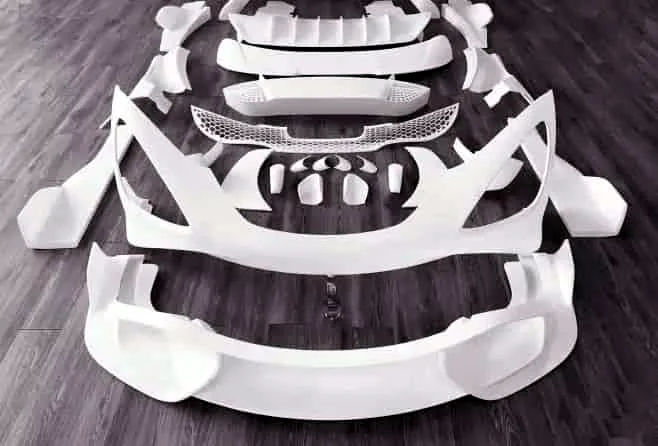
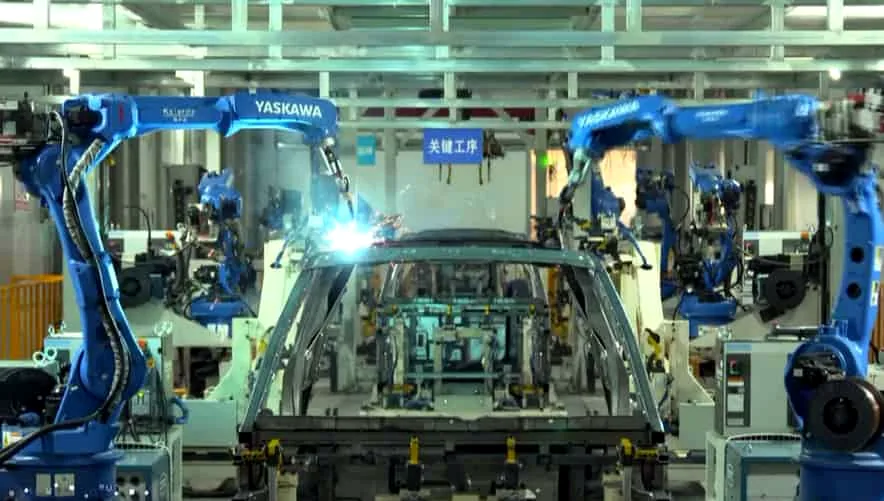
Additive manufacturing compresses the design cycle: parts that used to need tooling can be printed in days, so a new body style reaches the market on one of the fastest timelines in the category — and components can be produced near the point of sale.
Want the technical file?
EEC certificate, WVTA documentation, crash test reports and dimensional drawings — request them for the model you are importing.